The name is a room. Before it was a genre, it was a place: musica da camera, music for the chamber, as opposed to music for the church or the theatre. It was written to be played among friends in ordinary rooms, by people who were often the only audience it would ever have.
There is no conductor. The players must agree, in real time and without an arbiter, on when to breathe, when to press forward, when to yield. Every entrance is a decision someone has to take and the others have to trust. Goethe found the image that has never been bettered:
Exhibitions of that kind have always been, of all instrumental music, the most intelligible to me: one hears four rational people conversing among themselves, one fancies one has something to gain from their discourse, and one comes to know the particular character of the instruments.
That is why a village hall on the Dingle Peninsula is not a compromise for this repertoire but its natural home. Nothing is amplified and nothing is hidden. You can hear the rosin, the breath before an entrance, the small sounds of bodies working, and you sit close enough to see a glance pass between two players and then hear what the glance decided.

Venice's Red Priest, whose five hundred concertos taught string instruments to sing, and whose La Folia still catches fire.
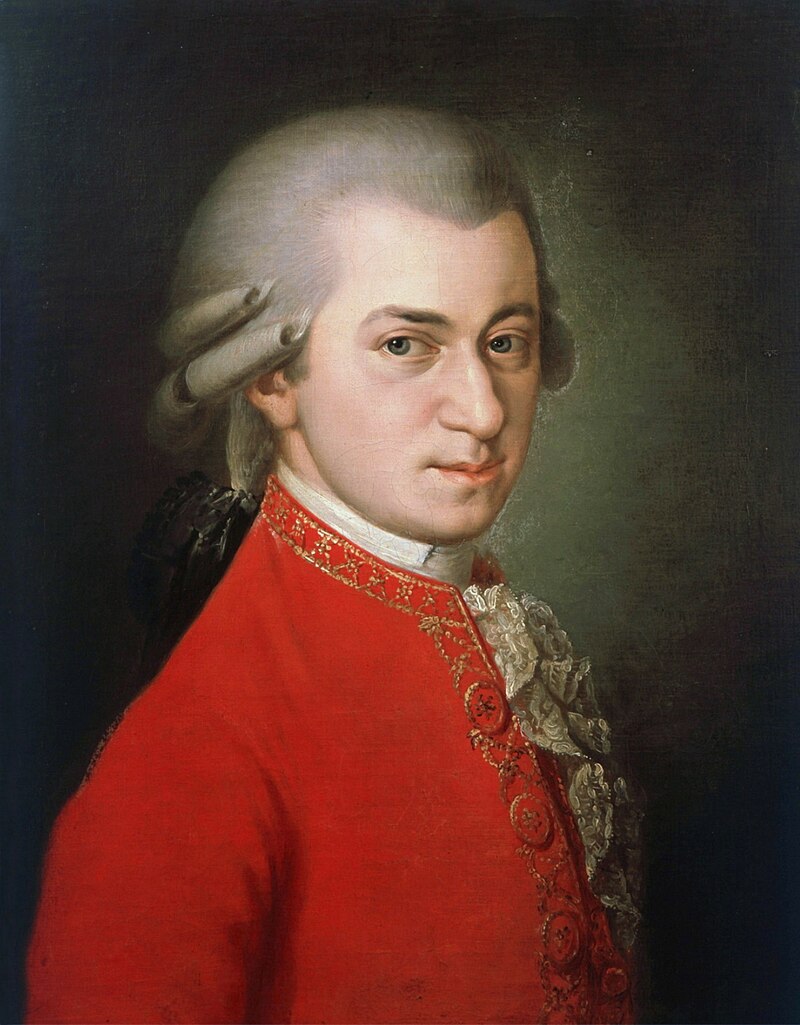
The most complete musician who ever lived; his last string quintet says goodbye to chamber music with a grin.
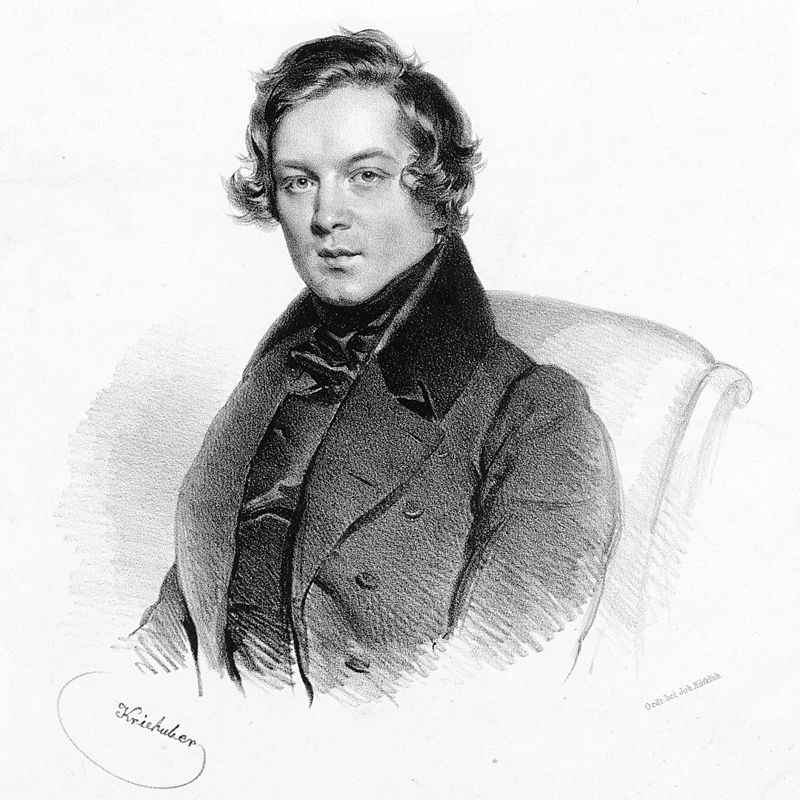
Poet of the piano and inventor of the piano quintet, whose 1842 masterpiece closes the festival.

Russia's supreme melodist, who sketched his exuberant string sextet under the Florentine sun.

Teacher of Rachmaninoff and devoted disciple of Tchaikovsky, mourned him in a quartet of two cellos and glowing song.

French music's flawless watchmaker, whose Piano Trio was finished in a fever as the Great War began.

Hungary's musical conscience, who walked village to village saving folk songs, then set them dancing.

The festival's local spirit: an Anglo-Irish wanderer who made Kenmare his home and Kerry's landscape his music.

A Parisian chanson and its tender Japanese translation, the authors of Autumn Leaves, falling in slow motion.

Modern music's great consoler, from The Blue Notebooks to the score for the film Hamnet.
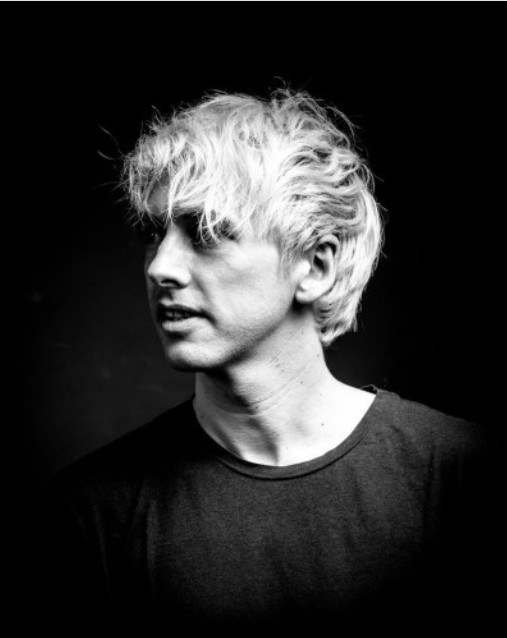
Cork's slyest musical mind, equally at home with skateboarders, sideshows and the northern lights.
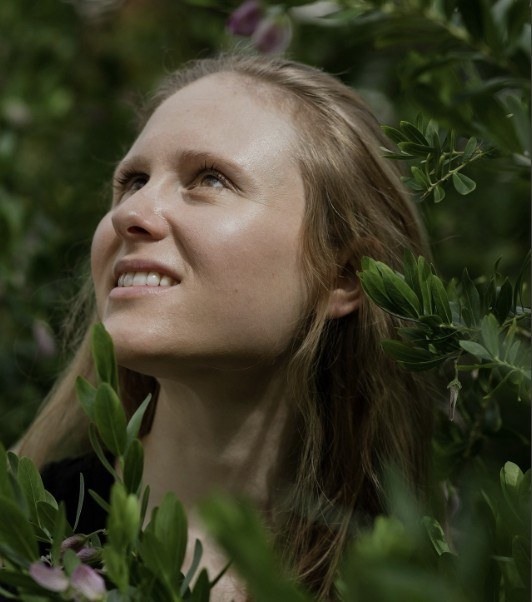
California composer of euphoric, ecological music, tide pools and fault lines translated for string quartet.

A violinist-composer on a steep ascent, whose Violin Sonata was premiered by this festival's own Nathan Meltzer.