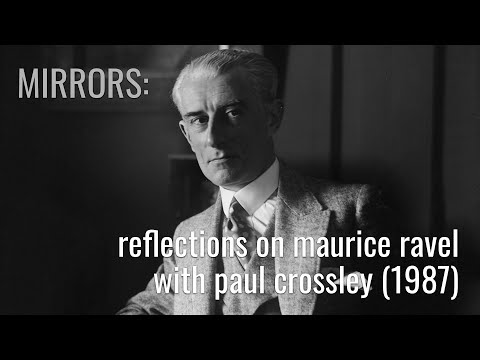
Ravel was born in 1875 in Ciboure, a fishing village in the French Basque country, and the lilt of his mother's Basque songs never left his music. In Paris he became the most exquisite craftsman music has known. Stravinsky called him “the Swiss watchmaker”, polishing every bar until orchestras seemed to shimmer by sorcery. The musical establishment repaid him by refusing him the Prix de Rome five times, a scandal that ended with the Conservatoire director's resignation.
Too slight and too old for the front, he insisted on serving in the Great War anyway, driving a munitions truck he nicknamed Adélaïde within earshot of Verdun. The war broke his health and marked his music: the Piano Trio was finished in a fever as mobilisation began, and La Valse spins the Viennese waltz into catastrophe.
In his last years, a brain disease slowly severed the composer from his music while leaving his mind intact. He could still hear everything, but write nothing. He died in 1937, leaving a catalogue that is small, flawless, and permanently loved: Boléro, Daphnis et Chloé, the two piano concertos, and chamber music of liquid perfection.